Learn How to Plant a Wildlife Hedge for Your Garden
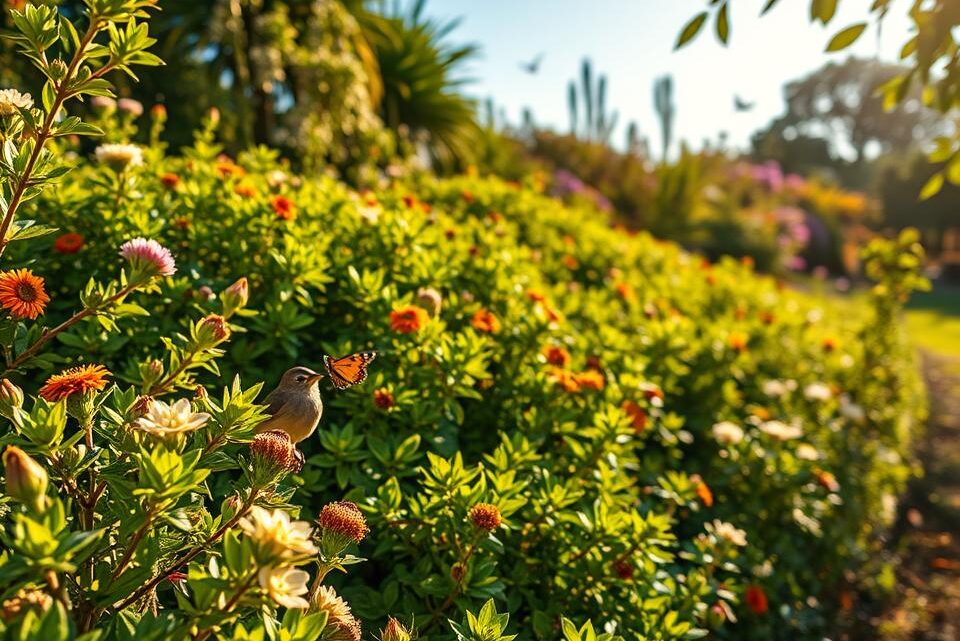
Creating a wildlife hedge is a valuable addition to any garden, serving as a natural boundary while supporting biodiversity.
A hedge offers multiple benefits over traditional fencing, including aesthetic appeal throughout the seasons and ecological advantages. Native hedgerows provide food, shelter, and nesting sites for various species of birds, insects, and small mammals.
Autumn and winter are ideal times for planting a wildlife hedge. This article will guide you through selecting the right species for your garden, planting techniques, maintenance requirements, and the benefits of different native plants.
With the right guidance, creating a wildlife hedge is an achievable project for gardeners of all experience levels.
Inhaltsverzeichnis
Key Takeaways
- Wildlife hedges support local biodiversity and provide natural boundaries.
- Native hedgerows offer food, shelter, and nesting sites for various species.
- Autumn and winter are ideal for planting a wildlife hedge.
- Proper species selection and maintenance are crucial for a thriving hedge.
- A well-planned wildlife hedge offers year-round interest and becomes a focal point in the garden.
Why Plant a Wildlife Hedge?
A wildlife hedge is more than just a boundary; it’s a thriving ecosystem that supports a variety of plant and animal life. By planting a hedge, you’re creating a haven for wildlife in your garden.
Benefits for Wildlife
Hedgerows are superior to fences and walls when it comes to supporting wildlife. They offer food, shelter, and nesting sites for various birds, such as the blackcap. A well-planted hedge can become a vital resource for local wildlife, providing them with the necessary resources to thrive.
As highlighted by a wildlife expert, “Hedges are crucial for maintaining biodiversity in our gardens and beyond.”
“Hedges are not just boundaries; they are living, breathing ecosystems that support a wide range of wildlife.”
Advantages Over Fences and Walls
Hedges have several advantages over static boundaries like fences and walls. They change with the seasons, providing interest throughout the year. In the spring, they blossom; in the summer, they provide lush foliage; in the autumn, they display vibrant colours and berries; and in the winter, they offer architectural structure.
| Feature | Hedges | Fences/Walls |
|---|---|---|
| Ecological Benefits | Provide food, shelter, and nesting sites | Limited to no ecological benefits |
| Wind Protection | Filter air movement, reducing damage | Block air movement, potentially causing damage |
| Seasonal Interest | Change with the seasons | Remain static throughout the year |
| Longevity | Can last for decades or centuries | Require regular replacement |
| Cost-Effectiveness | Generally more cost-effective | Can be expensive to install and maintain |
In addition to their ecological benefits, hedges also offer superior wind protection by filtering rather than blocking air movement. This reduces the risk of damage during storms compared to solid barriers. Furthermore, hedges can absorb noise and filter air pollution, making them particularly valuable in urban or roadside settings.
Choosing the Right Native Species for Your Hedge
The key to a successful wildlife hedge lies in selecting the appropriate native species for your specific site. This involves understanding the importance of native plants, creating a mixed hedge, and considering your garden’s size and location.
Understanding Native Plants and Their Importance
Native plants are vital for supporting local wildlife. They provide food, shelter, and breeding grounds for various species. By choosing native plants, you’re creating a haven that will attract a diverse range of wildlife to your garden.
Creating a Mixed Hedge for Maximum Wildlife Value
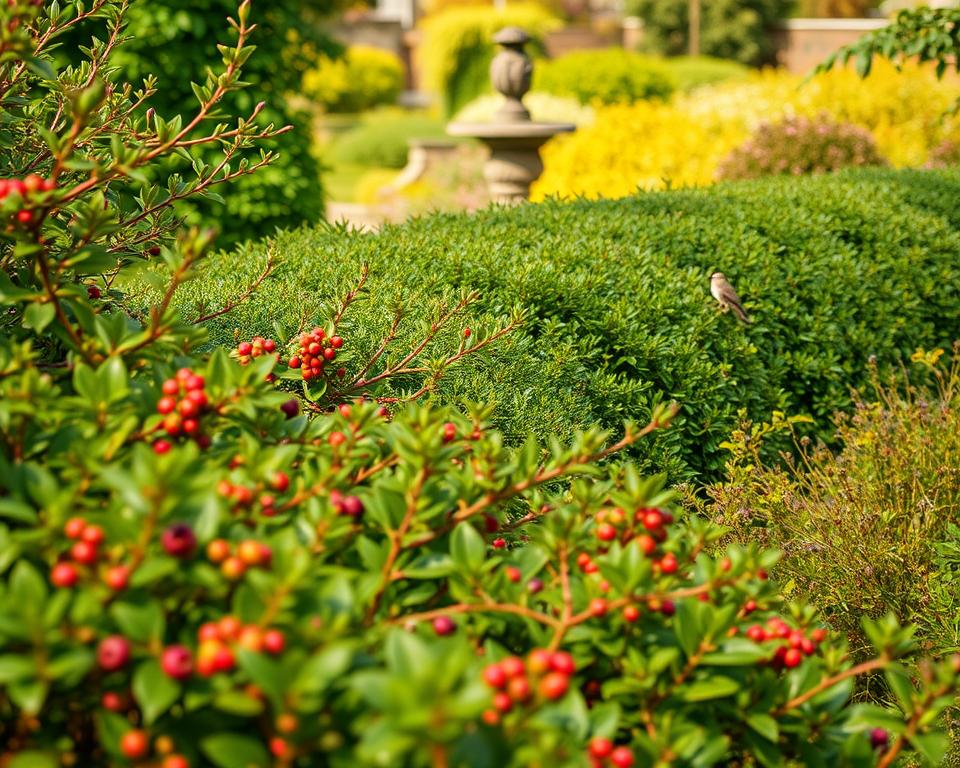
A mixed hedge comprising various native species will offer the greatest benefits for wildlife. Consider combining plants like hawthorn, blackthorn, and field maple to create a diverse and resilient hedge. This diversity will attract a wider range of species and enhance the overall ecological value of your hedge.
Considerations for Your Garden Size and Location
When selecting native species, it’s essential to consider your garden’s size and location. Assess the available space, soil type, and light conditions to determine the most suitable plants. For smaller gardens, choose compact or columnar species to maximize space. Additionally, consider the long-term maintenance requirements to ensure your hedge remains healthy and thriving.
By carefully selecting the right native species for your hedge, you’ll be creating a valuable habitat for local wildlife while enhancing the beauty and character of your garden.
Best Time to Plant a Wildlife Hedge
To establish a thriving wildlife hedge, it’s crucial to choose the best planting time. The ideal period for planting hedges is between November and March, during the winter months when trees are dormant.
Seasonal Planting Guide
This period is advantageous because it coincides with the dormant season of the trees, between losing their leaves and producing new buds, thus minimizing harm during transplantation.
Weather Considerations
You should avoid planting in extreme weather conditions. Frozen or waterlogged soil can damage the roots, while windy conditions can dry out newly planted hedging. Check the weather forecast and opt for calm, overcast days for planting when the soil is moist but workable, not forming sticky clumps when crumbled in the hand, on a suitable site with good ground conditions.
How to Plant a Wildlife Hedge: Step-by-Step Guide
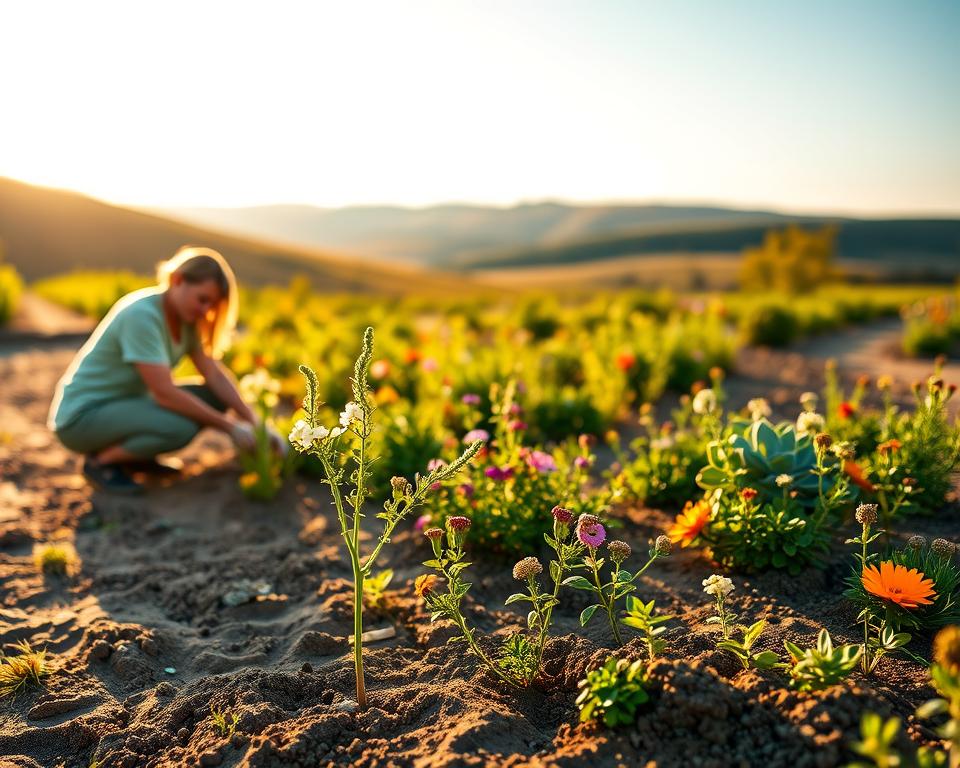
To establish a thriving wildlife hedge, follow these step-by-step guidelines. Planting a wildlife hedge is a rewarding process that not only enhances your garden’s biodiversity but also provides a haven for local wildlife.
Preparing Your Site
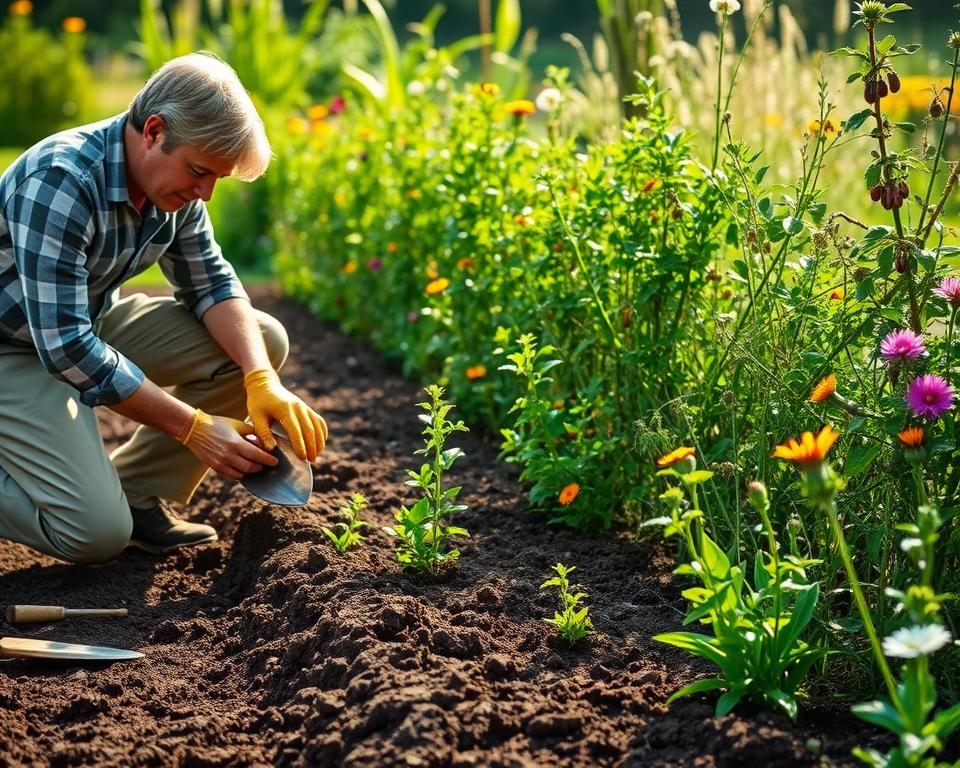
Before you start planting, it’s essential to prepare your site. Begin by marking out two parallel lines with string, about 50cm apart, along the line of your new hedgerow. Clear any grass and vegetation between the two lines of string to create a clean slate for your hedge.
Planting in Single vs Double Rows
You can plant your hedge in either a single or double row. A double row is often preferred as it creates a denser hedge more quickly. Use 20—30cm lengths of cane to mark out the distances between the trees and shrubs, creating a zig-zag pattern to maximize space and promote healthy growth.
Spacing and Arrangement Tips
Plant the shrubs in groups of about 5 of the same type to create a naturalistic and diverse hedge. This approach helps in mimicking the natural growth patterns found in wild hedgerows, making your hedge more appealing to wildlife.
| Plant Type | Spacing | Benefits |
|---|---|---|
| Shrubs | 30-50cm | Dense foliage, shelter for wildlife |
| Trees | 1-2 meters | Height, structure, food source |
Planting Technique
‘Notch planting’ is usually the easiest method for hedging plants. To do this, create an L-shaped cut in the soil with a spade, gently prising it open to accommodate the roots. Ensure the roots are well-prepared by soaking bare roots in water and teasing out pot-bound roots. Plant at the same depth as the nursery soil mark on the stem, and firm the soil gently around the roots to eliminate air pockets.
After planting, water thoroughly to settle the soil around the roots. Initial pruning after planting encourages bushy growth; for deciduous species, cut back by one-third. Protect your newly planted hedging from wildlife damage using guards or netting as needed.
Aftercare and Maintenance for Your Wildlife Hedge
To ensure your wildlife hedge flourishes, it’s essential to follow a tailored aftercare plan. Proper care during the initial years is crucial for establishing a strong, thriving hedge that benefits local wildlife.
First Year Care
In the first year after planting, it’s vital to keep your hedge well-watered, especially during dry spells. Cutting back the main shoot by about one-third after planting encourages bushy growth. This process, known as formative pruning, should be repeated in the second winter, along with cutting back each side branch by a third.
Watering and Mulching
Adequate watering and mulching are essential for maintaining soil moisture and suppressing weeds. Mulch around the base of your hedge to retain moisture and reduce the need for frequent watering. As an example, a well-maintained hedge can lead to a significant increase in local biodiversity, as highlighted by a study which found that
“well-managed hedgerows can support a wide range of plant and animal species.”
| Maintenance Task | First Year | Subsequent Years |
|---|---|---|
| Watering | Regularly, especially during dry spells | As needed, based on weather conditions |
| Mulching | Around the base to retain moisture | Replenish as necessary |
| Pruning | Cut back main shoot by one-third | Continue formative pruning, then maintain shape |
Pruning for Thickness and Shape
Once your hedge has reached a good height, maintain its shape by pruning it into an ‘A’ shape. This encourages bushy, leafy growth around the base, providing cover for small mammals and nesting sites for birds. It’s also important to avoid pruning during the bird nesting season (March to August) to protect wildlife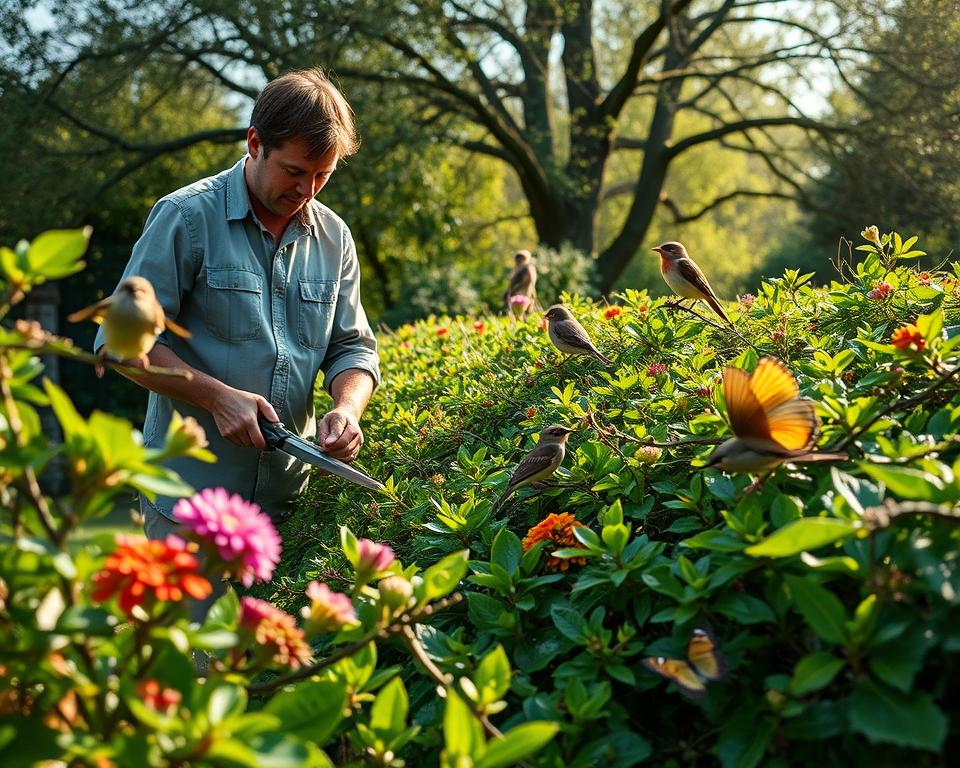
By following these aftercare and maintenance tips, you can ensure your wildlife hedge remains healthy and continues to support local biodiversity for years to come.
Top Native Plants for Wildlife Hedges
A wildlife hedge is only as good as the plants it’s made of, and native species are the key to creating a haven for local wildlife. By incorporating a mix of native plants, you can provide a rich source of food, shelter, and breeding grounds for various species.
Hawthorn and Blackthorn
Hawthorn (Crataegus monogyna) and blackthorn (Prunus spinosa) are two of the most beneficial native plants for wildlife hedges. Hawthorn provides a wealth of berries, known as haws, which are a vital food source for birds, while blackthorn produces sloes that are used to make gin and are also eaten by birds.
Field Maple and Hornbeam
Field maple (Acer campestre) and hornbeam (Carpinus betulus) are both excellent choices for a wildlife hedge. Field maple provides a canopy for insects and birds, while hornbeam produces nuts that are eaten by small mammals.

Holly and Beech
Holly (Ilex aquifolium) and beech (Fagus sylvatica) are both native plants that provide year-round benefits for wildlife. Holly produces bright red berries that are a vital food source for birds during the winter, while beech provides nuts and a dense canopy for shelter.
Guelder Rose and Dogwood
Guelder rose (Viburnum opulus) and dogwood (Cornus sanguinea) are both valuable additions to a wildlife hedge. Guelder rose produces clusters of berries that are eaten by birds, while dogwood provides berries and a dense hedge structure.
Other Beneficial Species
Other native plants that can enhance your wildlife hedge include spindle (Euonymus europaeus), elder (Sambucus nigra), and native roses like dog rose (Rosa canina). These plants provide a range of benefits, from berries and flowers to shelter and breeding grounds for various species.
Conclusion: Enjoying Your Wildlife Hedge Throughout the Seasons
As your wildlife hedge matures, it will become a haven for local biodiversity, transforming your garden into a vibrant ecosystem. With minimal maintenance, a well-planted native hedge will provide decades of enjoyment and ecological benefits.
Your hedge will transform through the seasons, offering spring blossom, summer foliage, autumn colour and berries, and winter architectural structure. It will support a wide range of wildlife, from nesting birds and hibernating hedgehogs to countless insect species and small mammals.
To enhance the hedge habitat, consider leaving unmown strips at the base or adding complementary wildflowers. With patience during the establishment phase, your wildlife hedge will become a living legacy, potentially outlasting you and providing benefits for generations to come.
FAQ
What are the benefits of a double row hedge for wildlife?
A double row hedge provides a denser habitat for small mammals and birds, offering shelter, food, and nesting sites. It also creates a wider range of microhabitats, supporting a greater variety of species.
How do I choose the right native species for my wildlife hedge?
Consider plants that are native to your region, such as Field Maple, Hawthorn, and Guelder Rose. These species provide berries, leaves, and flowers that support a wide range of wildlife, including birds, insects, and small mammals.
What is the best time to plant a wildlife hedge?
The best time to plant is during the autumn or early spring, when the soil is mild and there is ample moisture. Avoid planting in extreme weather conditions, such as during intense cold or drought.
How do I maintain my wildlife hedge?
Regular mulching and watering are essential during the first year. Prune your hedge annually to maintain shape and promote thickness, but avoid pruning during the nesting season to protect birds and other wildlife.
Can I use non-native plants in my wildlife hedge?
While it’s tempting to use non-native plants, it’s best to stick with native species that are adapted to your local climate and soil conditions. Native plants provide the best support for local wildlife and help maintain the natural balance of your ecosystem.
How will my wildlife hedge change over the seasons?
Your hedge will provide a dynamic habitat throughout the year, with flowers and leaves in the spring, berries and fruit in the autumn, and shelter and structure during the winter months. As your hedge matures, it will become an increasingly valuable resource for local wildlife.