
Planting 4x1
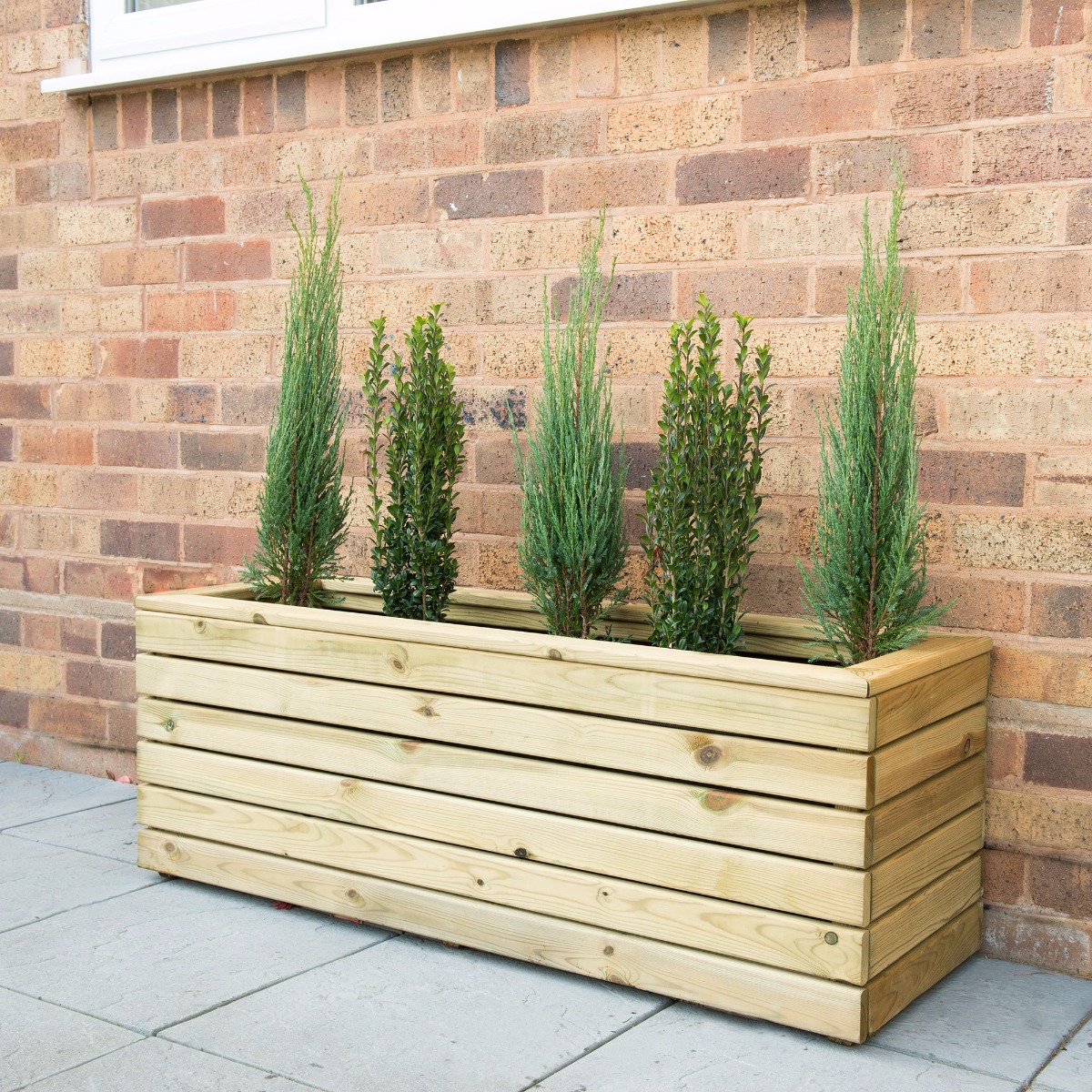
Explore the world of 4×1 planting with our comprehensive guide that delves into the intricacies of this versatile gardening method. Learn about its unique forms, benefits, and tips for successful implementation.
The Art of Compact Gardening: Understanding 4×1 Planting
4×1 planting is a space-efficient technique that allows gardeners to cultivate a variety of plants within a limited area. This method is characterized by dividing a plot into four equal sections, each dedicated to a different plant type. It maximizes the use of space, making it ideal for urban gardens or small backyards. The technique encourages diversity and can lead to healthier plants due to the natural pest control that comes from mixed planting.
Diverse Varieties: A Cornucopia of Choice
When it comes to 4×1 planting, the choices are abundant. You can mix and match different types of plants such as vegetables, herbs, flowers, and even small fruit-bearing bushes. Popular combinations include tomatoes, basil, marigolds, and strawberries, which not only complement each other aesthetically but also support each other’s growth. The key is to select plants with similar sunlight, water, and soil requirements to ensure harmonious coexistence.
The Benefits of a 4×1 Garden: More Than Meets the Eye
One of the primary advantages of a 4×1 planting system is its ability to promote biodiversity. This diversity discourages the spread of pests and diseases, as different plants attract various beneficial insects that act as natural pest deterrents. Additionally, the close proximity of the plants helps conserve moisture, reducing the need for frequent watering. This method is also known for its ability to improve soil health, as the different root systems contribute to a richer, more fertile ground.
Comparing Planting Styles: Why 4×1 Stands Out
Unlike traditional row planting, which often requires more space and resources, 4×1 planting is compact and resource-efficient. It allows gardeners to experiment with plant combinations and encourages a more hands-on approach to gardening. While raised beds and container gardens offer similar benefits, the structured layout of 4×1 planting provides a unique opportunity to cultivate a balanced micro-ecosystem within a single plot.
Practical Tips for Successful 4×1 Planting
To create a thriving 4×1 garden, start by selecting a suitable location with adequate sunlight and drainage. Prepare the soil by adding compost and organic matter to enhance fertility. When choosing plants, consider their growth habits and ensure there is enough space for each to reach its full potential. Regularly monitor for signs of pests or disease and use organic methods to address any issues. Rotating crops each season can also help maintain soil health and prevent nutrient depletion.
Exploring Plant Combinations: A Symphony of Growth
The beauty of 4×1 planting lies in the endless combinations you can create. For instance, pairing leafy greens like lettuce with root vegetables such as carrots can maximize space usage while ensuring that both types of plants receive the nutrients they need. Similarly, planting tall sunflowers alongside sprawling cucumbers can provide natural support for the vines, creating a vertical dimension to your garden. Experimentation is key, and the possibilities are limited only by your creativity.
Environmental Impact: Small Gardens, Big Benefits
By adopting the 4×1 planting method, gardeners contribute positively to the environment. The dense planting reduces the need for chemical fertilizers and pesticides, as the natural interactions between plants and insects create a balanced ecosystem. This method also promotes soil conservation and reduces erosion, as the plant cover protects the soil from harsh weather conditions. Moreover, the efficient use of space means that even small gardens can yield significant produce, reducing the carbon footprint associated with transporting food from distant locations.
Future Trends: The Evolution of 4×1 Gardening
As more people seek sustainable and efficient gardening methods, 4×1 planting continues to gain popularity. Innovations in gardening tools and techniques are making it easier for beginners to embrace this method. From modular garden kits to apps that help plan and track plant growth, technology is playing a crucial role in the evolution of 4×1 gardening. As awareness of environmental issues grows, this method is likely to become a staple in urban and suburban gardens worldwide.
In conclusion, 4×1 planting offers a practical and rewarding way to cultivate a diverse garden in limited space. Its benefits extend beyond aesthetics, contributing to environmental sustainability and personal well-being. Whether you’re a seasoned gardener or a novice, the 4×1 method provides an opportunity to explore the joys of gardening while making a positive impact on the planet.