
Planting 11x1
Showing all 5 resultsSorted by popularity
-
Forest Caledonian Trough Raised Bed 5’11×1’6 (1.8×0.45m) £139.99

-
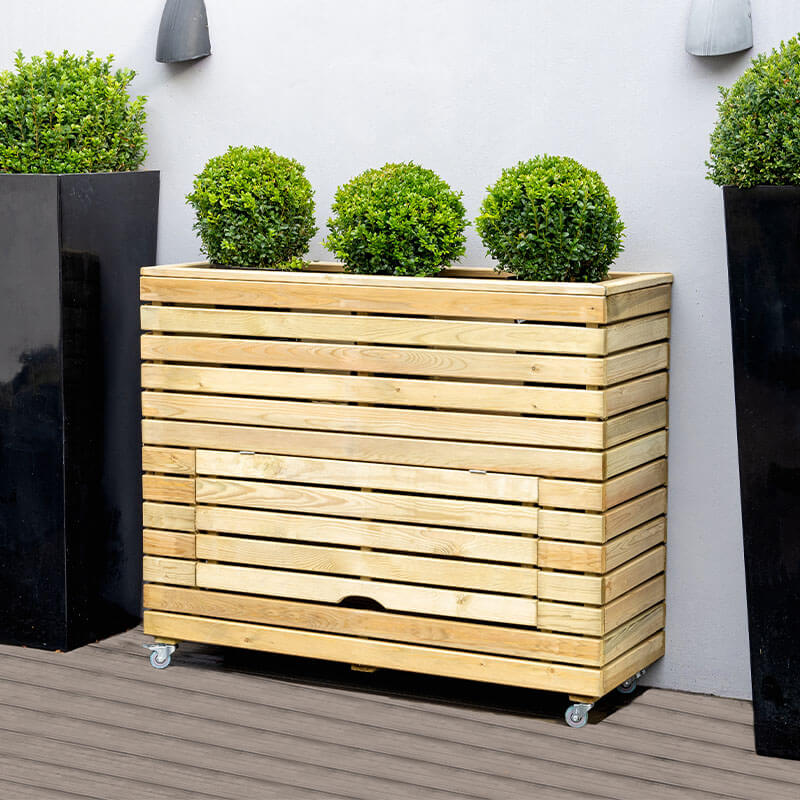
3’11 x 1’4 Forest Linear Tall Wooden Garden Planter with Storage and Wheels (1.2m x 0.4m) £227.99
-
3’11 x 1’4 Forest Linear Tall Wooden Garden Planter with Storage (1.2m x 0.4m) £232.99

-
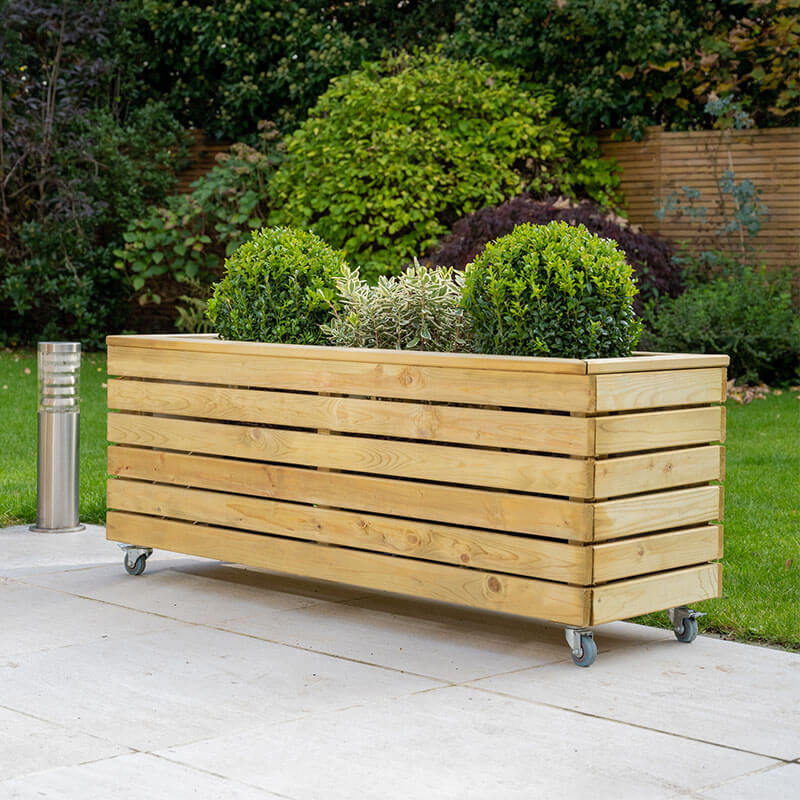
3’11 x 1’4 Forest Linear Long Wooden Garden Planter with Wheels (1.2m x 0.4m) £145.99
-
2’11 x 1’3 Forest Wooden Garden Living Wall Planter (0.9m x 0.39m) £132.99

The art of planting is a rich tapestry of techniques and styles, each offering unique benefits and challenges. From succulent arrangements to vertical gardens, the possibilities are endless.
Exploring the World of Succulent Arrangements
Succulents are celebrated for their low-maintenance nature and remarkable resilience. These plants store water in their leaves, making them perfect for those who prefer a hands-off approach. Within the succulent family, you’ll find a myriad of shapes, colours, and textures, from the geometric beauty of Echeveria to the trailing elegance of Sedum. Consider creating a miniature desert landscape in a shallow dish or a vibrant living wall to bring a touch of the exotic into your space.
Vertical Gardens: Turning Walls into Living Art
Vertical gardens are an innovative way to maximise space while adding a splash of greenery to any environment. These gardens can be designed using a variety of plants, including herbs, ferns, and even small flowering species. The key to a successful vertical garden is selecting plants that thrive in similar conditions, such as light and water requirements. Not only do vertical gardens enhance aesthetics, but they also improve air quality and can even provide natural insulation for your home.
Embracing the Charm of Cottage Gardens
Cottage gardens are a delightful mix of colourful blooms and aromatic herbs, designed to appear natural and unstructured. This style embraces a variety of plant species, from the towering hollyhocks to the delicate cosmos, creating a tapestry of textures and hues. The key to a successful cottage garden is diversity, ensuring a continuous display of flowers throughout the seasons. Companion planting is also a popular technique here, where certain plants are grown together to enhance growth and deter pests.
Container Gardening: Portable and Versatile Planting
Container gardening offers the flexibility to grow plants in any space, regardless of size. From balconies to patios, containers allow for the cultivation of a wide range of plants, including vegetables, herbs, and ornamental flowers. The choice of container is crucial, with options ranging from classic terracotta pots to modern self-watering designs. Consider the plant’s root depth and growth potential when selecting your container, and remember that adequate drainage is essential to prevent waterlogging.
Understanding the Dynamics of Shade Gardens
Shade gardens provide a cool respite from the sun and are ideal for plants that thrive away from direct sunlight. Hostas, ferns, and astilbes are popular choices for such gardens, offering a variety of leaf shapes and colours. When designing a shade garden, consider the varying levels of shade throughout the day and choose plants accordingly. Incorporating different heights and textures will create a layered effect, adding depth and interest to your garden.
Rock Gardens: A Symphony of Stone and Flora
Rock gardens are a unique way to showcase plants that thrive in well-drained, rocky environments. These gardens mimic alpine conditions, featuring a mix of stones and plants such as alpine phlox, saxifrage, and dwarf conifers. The key to a successful rock garden is creating a natural-looking landscape with a variety of stone sizes and plant heights. This style is perfect for sloped areas or where drainage is a concern, as the rocks help to channel water away from plant roots.
Herb Gardens: A Feast for the Senses
Herb gardens are a delightful addition to any home, providing fresh ingredients for cooking and aromatic scents for the senses. Popular herbs include basil, thyme, rosemary, and mint, each offering unique flavours and uses. When planting an herb garden, consider the sunlight and soil requirements of each herb, and group those with similar needs together. Raised beds or containers are ideal for herbs, as they allow for better control of soil quality and drainage.
Water Gardens: Tranquility and Reflection
Water gardens add a serene element to any landscape, offering a habitat for aquatic plants and wildlife. These gardens can range from small ponds to elaborate water features, each providing a unique aesthetic. Common aquatic plants include water lilies, lotus, and horsetail reeds, which thrive in water-rich environments. When designing a water garden, consider the balance between plants and open water, ensuring that the ecosystem remains healthy and vibrant.
Edible Landscaping: Beauty That Nourishes
Edible landscaping combines the aesthetic appeal of traditional gardens with the practicality of growing your own food. This approach integrates fruits, vegetables, and edible flowers into the landscape, creating a garden that is both beautiful and productive. Consider planting berry bushes, fruit trees, and vegetable patches alongside ornamental plants. The key is to design a garden that is visually appealing while providing a bountiful harvest throughout the growing season.
Wildflower Meadows: A Burst of Natural Beauty
Wildflower meadows offer a low-maintenance alternative to traditional lawns, providing a habitat for pollinators and a splash of colour. These meadows can be created by sowing a mix of wildflower seeds, which will bloom in succession throughout the year. Popular wildflowers include poppies, daisies, and cornflowers, each contributing to a vibrant tapestry. The key to a successful wildflower meadow is choosing the right mix for your soil and climate, and allowing the flowers to self-seed for a natural regeneration.
Zen Gardens: A Space for Meditation and Reflection
Zen gardens, also known as Japanese rock gardens, are designed to promote peace and tranquility. These gardens feature a combination of rocks, sand, and carefully selected plants, such as moss and bamboo. The sand is often raked into patterns, symbolising water or waves, while the rocks represent mountains or islands. Zen gardens are ideal for small spaces and can be designed to fit any area, providing a serene retreat for meditation and reflection.