How to Get Designing Walls in the Garden Right
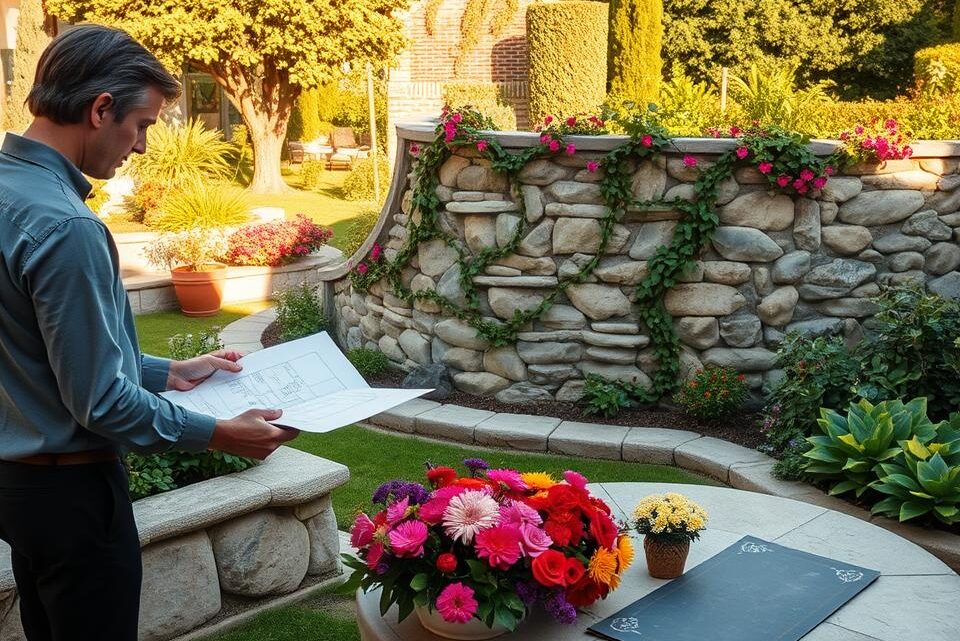
Transforming your outdoor space into a beautiful and functional area can be achieved by paying attention to often-overlooked elements like garden walls. These structures offer tremendous potential to enhance both the aesthetics and functionality of your garden. By understanding the various options available for wall design, you can make informed decisions that suit your specific needs and preferences.
From traditional stone walls to contemporary living wall designs, the choices are diverse. Well-designed walls can help create boundaries, add structural elements, or simply enhance the visual appeal of your garden, ultimately achieving your desired outdoor space.
Inhaltsverzeichnis
Key Takeaways
- Understand the various options for garden wall designs to enhance your outdoor space.
- Choose materials and styles that suit your garden’s specific needs and preferences.
- Consider practical considerations such as boundaries and structural elements.
- Explore creative ideas to enhance the visual appeal of your garden.
- Make informed decisions to achieve your desired outdoor space.
The Importance of Garden Walls in Landscape Design
A well-designed garden wall is a versatile feature that can transform your outdoor area into a stunning oasis. By incorporating a garden wall into your landscape, you can enhance both the functionality and aesthetic appeal of your garden.
Functional Benefits of Garden Walls
Garden walls serve multiple purposes, including creating boundaries, providing privacy, and supporting soil in sloped gardens. They also protect plants from harsh winds and weather conditions, ensuring a healthier and more robust garden ecosystem. By installing a garden wall, you can effectively define different areas within your outdoor space, creating a sense of structure and organisation.
Garden walls offer numerous practical benefits, making them an essential element in landscape design. They can help to reduce noise pollution, create a sense of seclusion, and even increase the value of your property.
Aesthetic Impact on Your Outdoor Space
Beyond their functional benefits, garden walls can become a significant aesthetic feature in your outdoor space. They add texture, dimension, and architectural interest, creating a visually appealing focal point that enhances the overall design scheme. A well-designed garden wall can also help to define different zones within your garden, creating a sense of harmony and balance.
By choosing the right materials and design, you can create a garden wall that complements your outdoor space and reflects your personal style. Whether you prefer a modern, minimalist look or a more traditional, rustic approach, a garden wall can be tailored to suit your needs.
Choosing the Right Materials for Your Garden Wall
When it comes to designing your garden wall, the material you choose plays a vital role in its durability and visual appeal. The right material can enhance the beauty of your garden while providing a functional boundary or retaining solution.
The selection of materials for your garden wall is a critical decision that affects not only the wall’s longevity but also its integration with the surrounding landscape. As you consider your options, it’s essential to weigh factors such as the existing architecture of your home, the style of your garden, local climate conditions, and your long-term maintenance preferences.
Natural Stone Options
Natural stone offers a timeless appeal for garden walls, with options including limestone, sandstone, and slate. Each type brings unique textures and colours that weather beautifully over time. For instance, limestone provides a classic, light appearance, while slate offers a darker, more dramatic look. The durability of natural stone means that, although it may be more expensive upfront, it can be a cost-effective choice in the long run.

Brick and Concrete Alternatives
Brick remains a popular choice for garden walls due to its versatility, durability, and the warm, traditional aesthetic it brings to outdoor spaces. Concrete alternatives, including concrete blocks and poured concrete, provide cost-effective and highly customisable options for contemporary garden wall designs. These materials can be finished in various ways to achieve the desired look, from smooth and modern to textured and rustic.
Wood and Metal for Modern Designs
For a more modern or informal garden setting, wood can bring a natural warmth to your garden wall. However, it requires more maintenance than stone or brick alternatives. Metal elements, such as corten steel or decorative ironwork, can be incorporated into garden wall designs to create striking modern features that develop character as they age. These materials offer a sleek, contemporary look that can be particularly effective in minimalist garden designs.
Ultimately, the choice of material for your garden wall will depend on your specific needs, preferences, and the overall style of your garden. By considering the various options and their characteristics, you can select the perfect material to enhance your outdoor space.
Popular Types of Garden Walls and Their Uses
The right garden wall can transform your outdoor area, providing both practical benefits and visual appeal. When it comes to designing your garden, there are several types of walls to consider, each serving different purposes and offering unique advantages.
Retaining Walls for Sloped Gardens
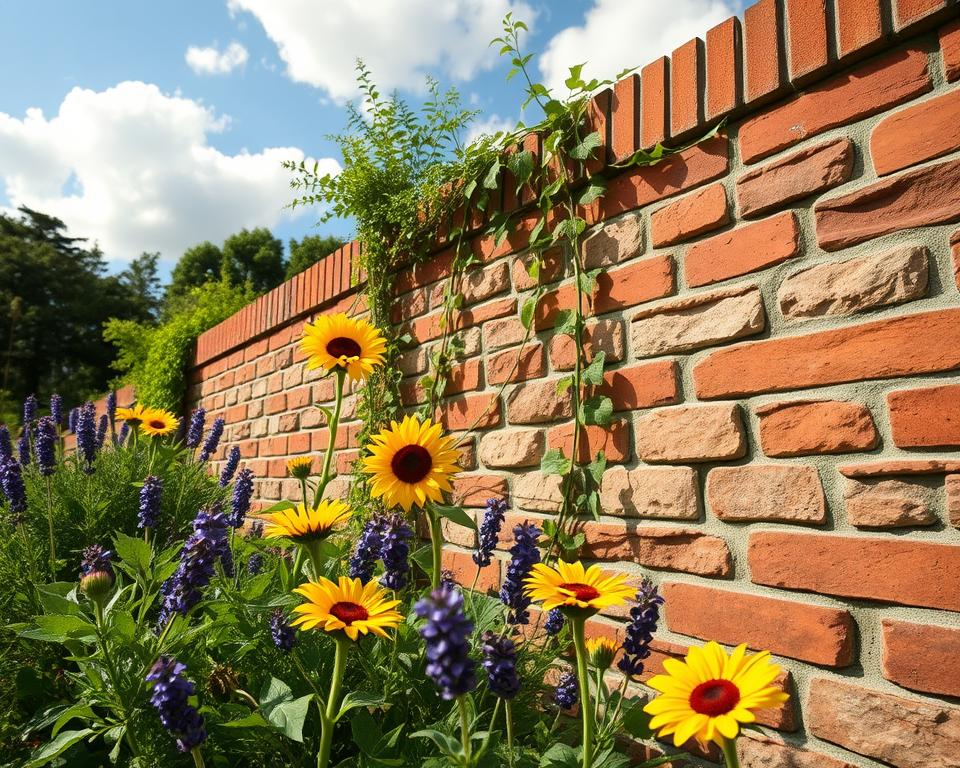
Retaining walls are essential for gardens with sloping terrain. They prevent soil erosion and create level areas, maximising usable garden space. By doing so, they add structural interest to the landscape, turning an unworkable incline into a uniform surface.
Boundary Walls for Privacy and Security
Boundary walls serve both practical and aesthetic purposes. They provide privacy and security while defining the perimeter of your garden in a more substantial way than fencing. A well-designed boundary wall can significantly enhance the overall look and feel of your outdoor space.
Decorative Walls as Focal Points
Decorative walls can be designed to be focal points within the garden, creating visual interest through unusual shapes, materials, or integrated features such as water elements. They can guide movement through the garden and frame key planting areas or features, making them a beautiful addition to any outdoor space.
When planning your garden wall, consider how it will interact with other elements in your garden and what primary function it needs to serve in your overall design scheme. Whether you opt for a retaining, boundary, or decorative wall, it will be a valuable addition to your outdoor area.
Designing Walls in the Garden: Style Considerations

Designing walls in the garden requires careful consideration of style to ensure a harmonious and inviting outdoor space. The right style can enhance the beauty of your garden, complement your home’s architecture, and create a cohesive look throughout your outdoor space.
Traditional and Rustic Garden Wall Designs
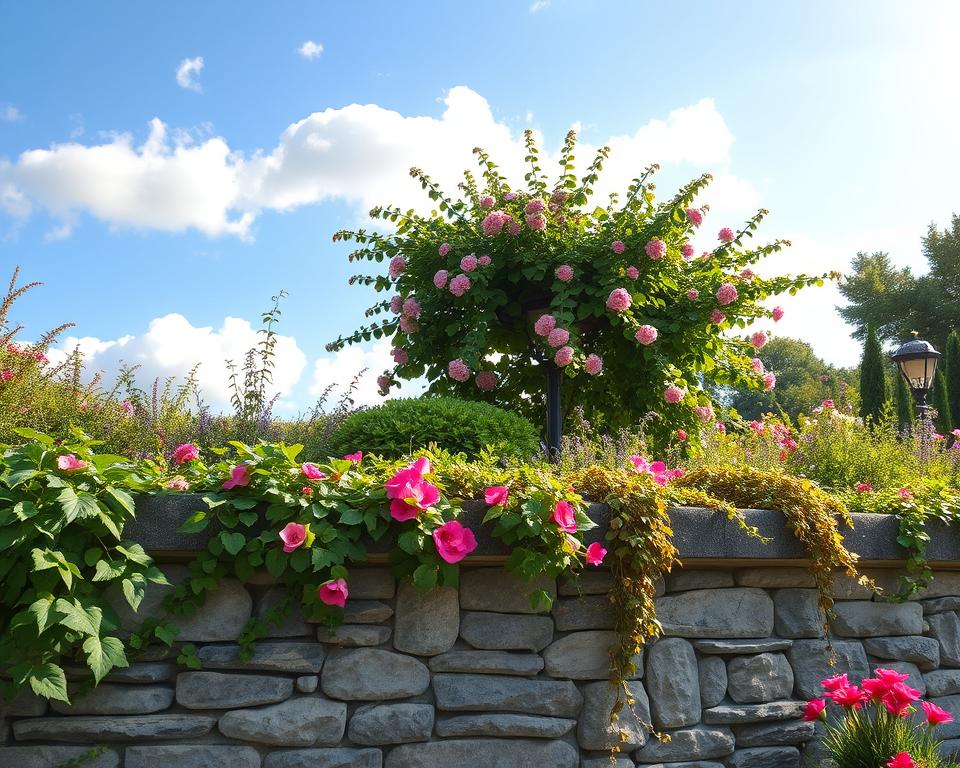
Traditional garden wall designs often incorporate natural stone or brick laid in classic patterns, complementing period properties and creating a timeless look that matures beautifully with the garden. Rustic garden walls, on the other hand, embrace imperfection, with weathered materials, irregular shapes, and spaces for planting that create a relaxed, established feel perfect for cottage garden styles.
Contemporary and Minimalist Approaches
For a modern, minimalist aesthetic, consider installing a block plaster or poured concrete garden wall that is painted in black, white, or grey. Contemporary garden wall designs favour clean lines, smooth surfaces, and often incorporate unexpected materials or geometric patterns to create a bold, architectural statement. Minimalist approaches focus on simplicity and restraint, using monochromatic colour schemes and unadorned surfaces to create a sense of calm and order.
Mediterranean and Cottage Garden Styles
Mediterranean-inspired garden walls might feature warm-toned stone, terracotta elements, or whitewashed surfaces that evoke sunny climates and create a holiday atmosphere in your garden. When choosing a style for your garden wall, consider how it will complement both your home’s architecture and your overall garden design to create a cohesive look throughout your outdoor space.
By considering these styles and how they fit with your garden’s overall design, you can create a garden wall that not only serves its purpose but also enhances the beauty and style of your outdoor space.
Incorporating Plants and Living Elements
To breathe life into your garden, consider integrating plants and living elements into your wall design. This approach not only enhances the aesthetic appeal of your outdoor space but also contributes to a healthier environment.
Creating Living Walls with Vertical Planting
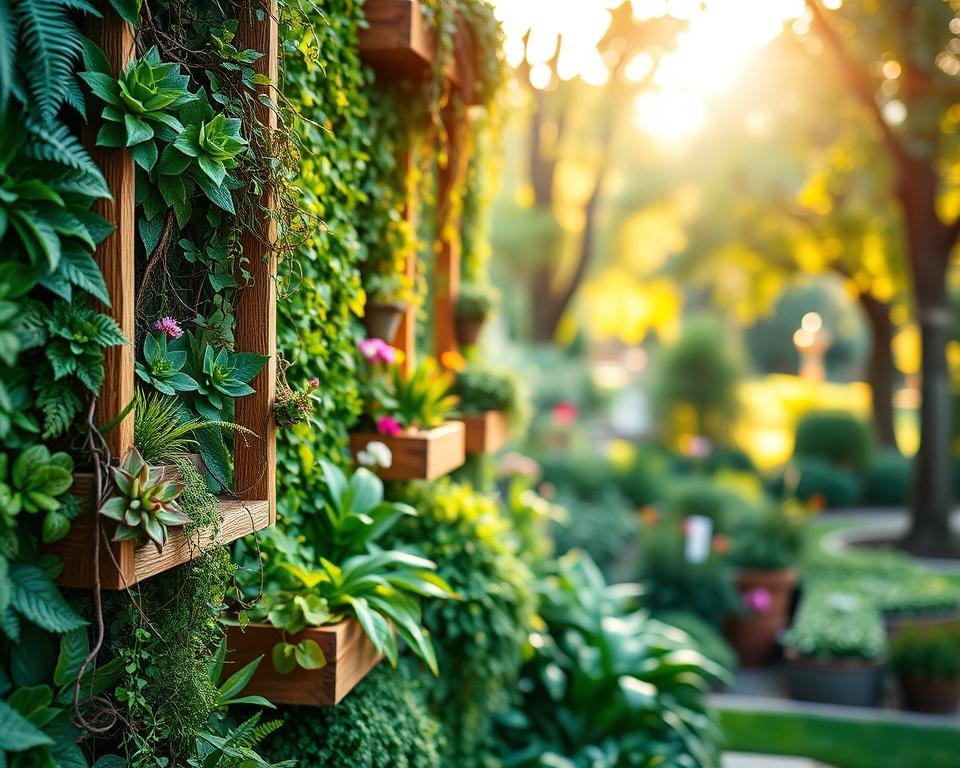
Living walls transform traditional garden walls into vertical gardens, maximising planting space and creating a dramatic visual impact. You can achieve this by using vertical planting systems, which range from simple wire supports for climbing plants to sophisticated modular systems with integrated irrigation. These systems allow you to create lush, living walls that are not only visually appealing but also beneficial for the environment. By choosing the right plants and support system, you can enjoy a thriving living wall that changes with the seasons.
Best Climbing Plants for Garden Walls
Climbing plants are an excellent choice for softening garden walls and adding seasonal colour and fragrance. Popular options include clematis, jasmine, and climbing roses. When selecting climbing plants, consider factors such as the wall’s aspect, the support system required, and whether you prefer evergreen or deciduous coverage. This thoughtful approach ensures that your garden wall remains an attractive and dynamic feature throughout the year. By incorporating climbing plants, you can create a beautiful, living wall that enhances your garden’s beauty and biodiversity.
Creative Ways to Decorate Garden Walls
Your garden wall is more than just a boundary; it’s an opportunity for decoration. Decorating your garden wall can significantly enhance the aesthetic appeal of your outdoor space.
Wall Art and Decorative Elements
Wall art designed specifically for outdoor use can transform a plain wall into a stunning feature. Options range from metal sculptures to ceramic tiles and mosaic designs, allowing you to add a personal touch to your garden. Consider using decorative elements such as antique architectural salvage or frost-resistant ceramics to add unique character.
Lighting Solutions for Garden Walls
Lighting can dramatically change the appearance of your garden wall after dark. Uplighters can create texture, while spotlights highlight architectural features, and wash lighting provides a soft, ambient glow. This not only enhances the beauty of your garden but also creates a safe and inviting atmosphere.
Water Features and Mirrors
Incorporating water features into your garden wall can add the soothing sound of running water, creating a peaceful ambiance. Alternatively, using mirrors on your wall can create the illusion of additional space and depth, reflecting planting and bringing extra light into shaded areas.
| Decorative Element | Description | Effect |
|---|---|---|
| Wall Art | Metal sculptures, ceramic tiles, mosaic designs | Transforms plain walls into stunning features |
| Lighting | Uplighters, spotlights, wash lighting | Creates texture, highlights features, ambient glow |
| Water Features | Simple spouts, cascades, fountains | Adds soothing sound of running water |
| Mirrors | Carefully positioned mirrors | Creates illusion of space and depth |

Practical Considerations for Garden Wall Design
When designing a garden wall, several practical considerations must be taken into account to ensure it meets your needs and enhances your outdoor space. The design of your wall should be guided by practical considerations, including its height, the materials used, and the overall aesthetic you wish to achieve.
Height and Placement Guidelines
The height of your garden wall is crucial and should be determined based on its purpose. For instance, if you’re building a privacy wall, it typically needs to be at least 1.8 metres tall. In contrast, a decorative wall might be much lower. Additionally, the placement of your garden wall should consider factors such as access for maintenance, the path of the sun, and the overall flow of movement through your garden space.
- Consider the purpose of your wall when deciding on its height.
- Ensure that the placement allows for easy maintenance over time.
Maintenance Requirements
Different wall materials have varying maintenance requirements. For example, brick and stone walls may require occasional repointing, while wooden structures need more regular treatment. Understanding these needs is essential to maintaining your garden wall over time.
Budget-Friendly Options
Creating a garden wall on a budget is achievable by considering cost-effective options. Using reclaimed materials, opting for veneers instead of solid stone, or building lower walls topped with trellis or fencing can significantly reduce material costs. It’s also important to check local regulations regarding garden walls, as planning permission may be required, especially for taller walls or those in conservation areas.
By carefully considering these practical aspects, you can design a garden wall that not only enhances your garden but also stands the test of time.
Conclusion: Creating a Garden Wall That Enhances Your Outdoor Space
A thoughtfully designed garden wall can become a defining feature of your garden, adding structure and visual interest. By carefully considering the materials, style, and placement of your wall, you can create a focal point that complements your home’s architecture and your personal aesthetic preferences.
Garden walls offer the perfect opportunity to express creativity in your outdoor space, whether through innovative planting schemes or artistic decorative elements. The most successful garden wall designs balance practical considerations with aesthetic appeal, creating solutions that are both beautiful and functional.
Whether you opt for a traditional stone wall or a contemporary living wall, the right design can elevate your entire garden. Remember, a well-designed garden wall is a long-term investment in your property, enhancing the overall look and feel of your outdoor space.
FAQ
What are the benefits of having a living wall in my outdoor space?
A living wall can enhance the aesthetic appeal of your outdoor area, provide insulation, and create a natural habitat for wildlife. It can also help to purify the air and reduce noise pollution.
How do I choose the right materials for my garden wall?
The choice of material depends on your desired style, budget, and the wall’s purpose. Natural stone, brick, and concrete are popular options, while wood and metal can add a modern touch.
What type of plants are best suited for a living wall?
Climbing plants like ivy, clematis, and wisteria are ideal for living walls. You can also use flowering plants like roses or shrubs like pyracantha to add colour and texture.
How can I incorporate lighting into my garden wall design?
You can use solar-powered lights, LED strips, or uplighting to highlight your wall’s features. Lighting can also be used to create ambiance and make your outdoor space more inviting.
What are the maintenance requirements for a garden wall?
Regular maintenance includes cleaning, inspecting for damage, and repairing any cracks or worn-out sections. You may also need to prune or train climbing plants to keep them under control.
Can I build a garden wall on a sloping site?
Yes, you can build a retaining wall to level out the ground and prevent soil erosion. A retaining wall can also be used to create a terracing effect, adding visual interest to your outdoor space.
How can I make my garden wall more visually appealing?
You can add decorative elements like wall art, mirrors, or water features to create a focal point. Using a mix of materials, textures, and colours can also add visual interest to your wall.